~ Innovation Since 1994 ~
~ Innovation Since 1994 ~
CUSTOMER SUCCESS STORY
How Byrne & Jones transformed asphalt density quality control with non-nuclear testing, real-time feedback, and connected reporting.

PROJECT OVERVIEW
For Byrne & Jones, traditional asphalt density testing presented a familiar challenge: relying on third-party testing agencies, different nuclear gauges, and different technicians from one day to the next. The lack of consistency made it difficult to deliver the timely, reliable feedback paving crews needed.
When the company established its own quality control department, it began looking for a more efficient approach. The initial motivation for moving away from nuclear gauges was straightforward: eliminating the burden of nuclear licensing and associated regulatory requirements. But the benefits of going non-nuclear quickly extended beyond compliance.
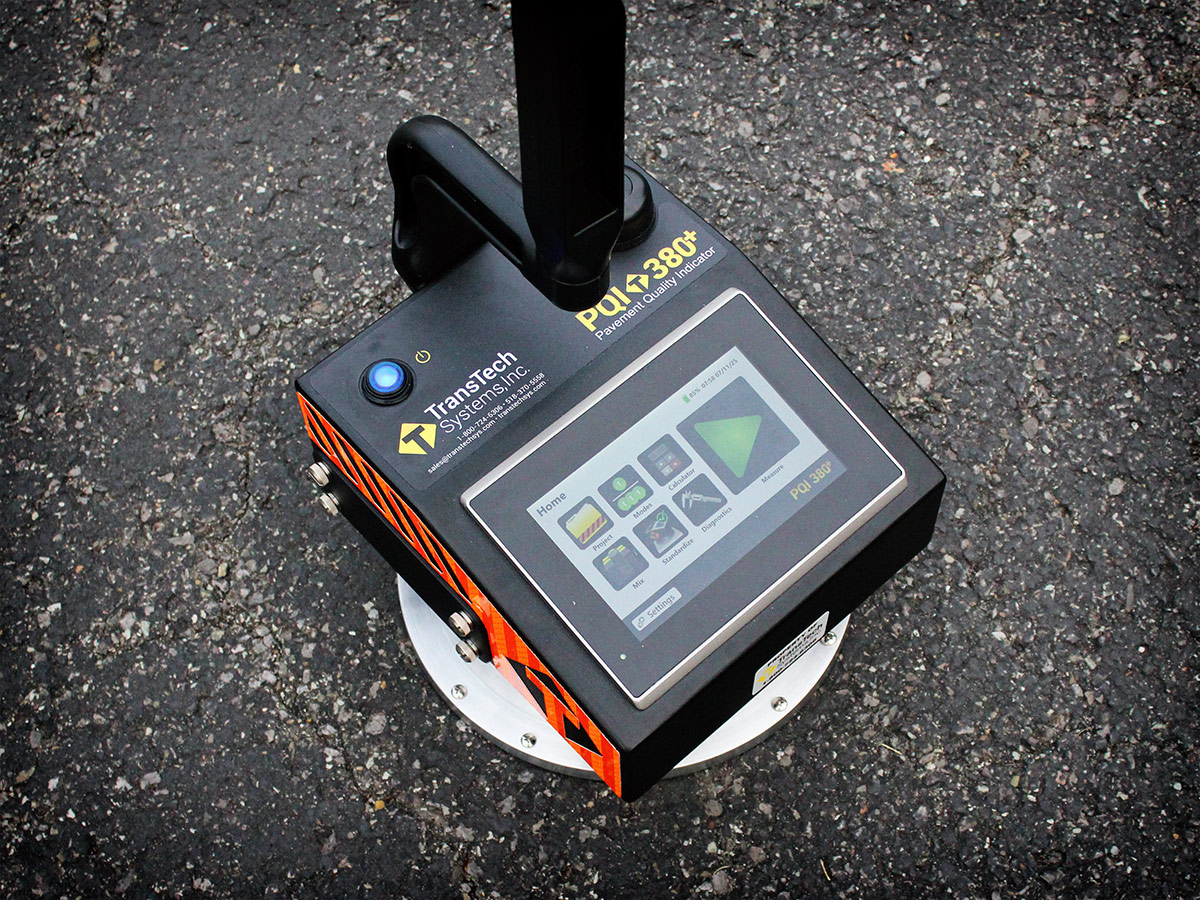
After seeing the value of an existing PQI 380, the team upgraded to the PQI 380+, pairing it with TransTech Connect to transform the way density measurements were collected, analyzed, and communicated.
Technology: PQI 380+ and TransTech Connect
THE CHALLENGE
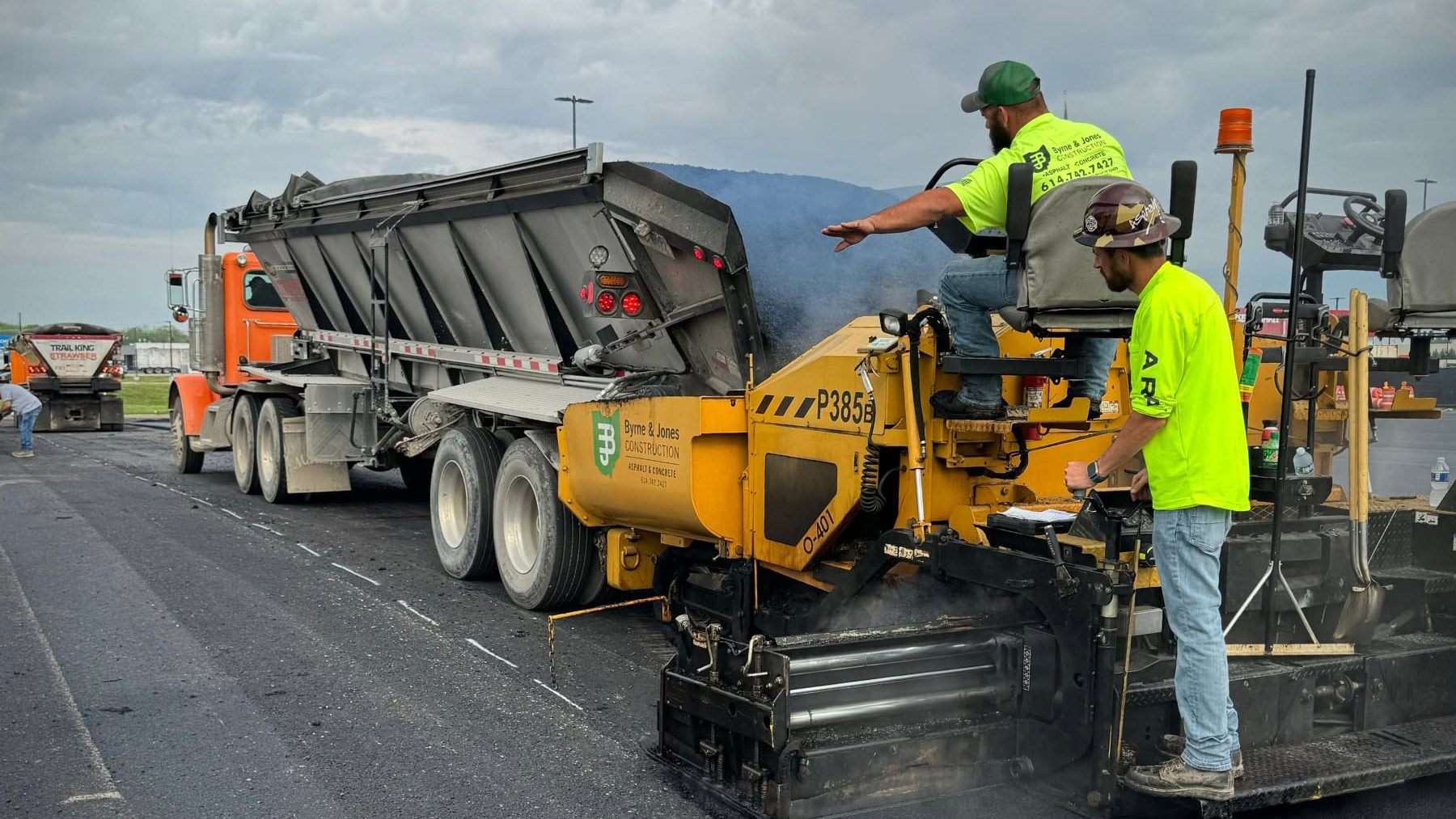
On a four-month Missouri Route 100 mill-and-overlay project, Byrne & Jones used the PQI 380+ and TransTech Connect to support quality control of 12.5 mm Balanced Mix Design Superpave asphalt.
Rather than manually processing readings and calculating offsets, technicians could upload field measurements, correlate them with laboratory core densities, and make adjustments with near-instantaneous feedback.
This gave the QC team greater confidence in its measurements and allowed crews to identify potential compaction issues while there was still time to address them.
TransTech Connect also simplified communication. QC managers could generate clear, detailed reports for project managers, foremen, superintendents, and inspectors, keeping everyone aligned with current field conditions.
Outside of laboratory core testing, paperwork and manual data entry were virtually eliminated.
THE APPROACH
Beyond the time savings, the greatest benefit has been reducing the risk of costly density failures. With reliable feedback available while paving is underway, the team can identify deficiencies earlier rather than discovering problems after an entire shift’s work has been completed.
What began as a way to reduce nuclear licensing requirements has evolved into a fundamental change in Byrne & Jones’ quality control strategy.
The company now intends to consider only non-nuclear density devices for future purchases and sees the PQI 380+ as its standard approach to pavement density QC. As its department grows, the team anticipates adding more gauges and expanding its use of TransTech Connect as a central hub for quality control data.
THE RESULTS
70%+
Fewer compaction-related go-backs in the commercial paving division
1+ hour
Saved per shift by eliminating manual offset calculations, density-location markups, and nuclear gauge standardizations
Near-zero
Manual paperwork and data entry outside of laboratory core testing
Greater Flexibility
QC managers can remotely monitor measurements and support less-experienced field technicians
“Together, PQI 380+ and Connect allow us to collaborate in real time with density technicians on the project. This ability gives us confidence in our ability to build projects successfully and to mitigate the risk of density failures. We can easily provide detailed, polished reports to project stakeholders, further instilling a high confidence level for the quality of our work.”
For Byrne & Jones, the shift to non-nuclear testing isn’t simply about replacing one gauge with another. It’s about giving paving crews better information, reducing rework, and building a more efficient, connected quality control operation.
Explore All Case Studies